Sewer Repair Dos and Don’ts:
Key takeaways
|

What Albury Wodonga Homeowners Need to Know
Sewer problems are one of those plumbing issues most homeowners would prefer not to think about until something goes wrong.
Unfortunately, waiting until wastewater is backing up through a toilet, shower or gully can turn a manageable problem into a fairly unpleasant one.
There are often warning signs before a sewer becomes completely blocked. Gurgling drains, unpleasant smells, slow drainage and blockages that keep returning can all indicate something is happening further along the sewer line.
Understanding a few sewer repair dos and don’ts can help you spot problems earlier, avoid some common causes of blockages and give your plumber useful information when something does go wrong.
Sewer repair dos
Do keep a copy of your Sewer Service Diagram
Your Sewer Service Diagram, sometimes called a House Drainage Plan, shows the layout of the private sewer pipes servicing your property.
This can be obtained from your Local Authority in the event of a blockage. Having a copy available when your plumber arrives can save time because it provides useful information about where your pipes and connections are located.
This becomes particularly helpful when you have a blockage outside normal business hours. Your plumber can investigate without first having to track down information about the property.
Keep the diagram with your other property records so you know where to find it when you need it.
Do know where your sewer connection and gully are
It helps to know where the sewer line leaves your property and connects with the sewer network.
You should also know where your overflow relief gully is located and make sure it remains accessible. The gully forms part of the sanitary drainage system and can provide an external overflow point if the sewer becomes blocked.
Avoid landscaping, garden beds, storage or other changes that make important drainage access points difficult to reach.
Do pay attention to gurgling and sewer smells
A gurgling toilet or drain may seem minor, particularly if everything still appears to be draining.
It can also be an early sign of restricted flow within the drainage system.
The same applies to persistent sewer smells or drains that have started emptying more slowly than usual. If several fixtures are showing symptoms at the same time, there may be a problem within the main sewer line serving your home.
Calling during normal working hours when those early symptoms appear may also save you from an after hours call later.
A gurgling drain on Tuesday afternoon is much easier to deal with than sewage backing up when the house is full for Mum’s 80th birthday on Saturday night.
Do tell your plumber about previous blockages
If the sewer has blocked before, let your plumber know.
How often it has happened, where the blockage was previously found and what work was carried out can all help with the investigation.
One isolated blockage can have a very different cause from a drain that needs clearing several times a year. Recurring problems are usually worth investigating further rather than simply clearing the immediate blockage again.
Do tell your plumber if you have used drain cleaning chemicals
If you have poured a chemical drain cleaner into the system, tell the plumber before they begin work.
Chemical residue may still be present inside the pipe and can create a safety risk when drains are opened, cleared or inspected.
Knowing what has been used means the plumber can approach the job appropriately.
Sewer repair don’ts
Don’t treat the toilet like a rubbish bin
The basic rule is still a useful one: pee, poo and appropriate toilet paper belong in the toilet.
Wipes, paper towel, sanitary products, cotton buds, dental floss and other household products can contribute to sewer blockages because they may remain intact within the drainage system.
Australia now has a flushable products standard, AS/NZS 5328:2022, which sets testing and labelling requirements for products that are genuinely suitable for flushing. If a product is not clearly identified as complying with the standard, putting it in the bin is the safer option for your drains.
Don’t pour fats, oils or grease down the kitchen sink
Cooking fats, oils and grease can cool and solidify inside drainage pipes.
Over time they can collect other material travelling through the drain and restrict the internal diameter of the pipe.
Allow cooking oils and fats to cool, collect them in a suitable container and dispose of them according to your local waste guidelines.
Don’t ignore where trees are planted
Tree roots naturally seek moisture and can find their way into sewer pipes through damaged joints, cracks and other openings.
Once inside, roots can continue growing and collect toilet paper and other material passing through the drain. The result can be a blockage that returns even after the pipe has been cleared.
If you are planning significant landscaping, knowing where your sewer pipes run can help you make better decisions about where larger trees are planted.
Existing trees do not automatically mean you will have sewer problems, although recurring root intrusion is worth investigating properly.
Don’t assume clearing the blockage has fixed the underlying problem
Getting the water flowing again is the immediate priority when a sewer is blocked.
The next question is why it blocked.
Sometimes the cause is simply what has gone down the drain. In other cases there may be tree roots, a damaged joint, movement in the pipe, cracking, a partial collapse or another physical problem.
If the sewer repeatedly blocks in the same area, continually clearing it without investigating the cause can leave you dealing with the same problem again.
What happens when Fletcher Plumbing investigates a blocked sewer?
Technology has changed the way plumbers diagnose sewer problems.
There was a time when locating damage could involve a lot more educated guesswork and excavation. We now have equipment that lets us clear pipes, inspect their condition internally and identify the location of problems much more accurately.
First, we need to clear the blockage
Before the condition of the sewer pipe can usually be assessed properly, the blockage needs to be cleared.
Depending on what is causing the blockage and the condition of the system, this may involve high pressure water jetting or mechanical drain cleaning equipment.
A high pressure water jetter, sometimes called a hydro jetter, sends water through the pipe to remove material that is restricting the flow.
The right method depends on what is happening inside the drain, which is why professional assessment matters.
Then we can inspect the sewer with a camera
Once the pipe is flowing again, a pipe inspection can provide a much better look at its internal condition.
The camera can help identify problems such as tree root intrusion, cracking, displaced joints, sections that have moved out of alignment or areas where the pipe has deteriorated.
This helps separate a straightforward blockage from a structural problem requiring sewer repair.
It can also help identify approximately where the fault is located, which is particularly useful when the damaged pipe runs beneath landscaping, paving, concrete or another area you would rather avoid disturbing unnecessarily.
Does a blocked sewer automatically need repairing?
No.
If your sewer has blocked for the first time, the blockage has been completely cleared and the pipe remains in serviceable condition, immediate repair may not be warranted.
The condition of the pipe, the cause of the blockage, its location and whether the problem has happened before all need to be considered.
A small defect that has caused one blockage may simply be something to monitor. Repeated root intrusion, significant movement, substantial cracking or a collapsed section of pipe presents a different situation.
The aim is to understand what is actually happening before deciding how much work needs to be done.
That is particularly important with sewer repairs because access and reinstatement can have a significant effect on the overall cost.
What are the options for sewer repair?
If the pipe does require repair, there are several ways the job may be approached.
Excavation and pipe replacement
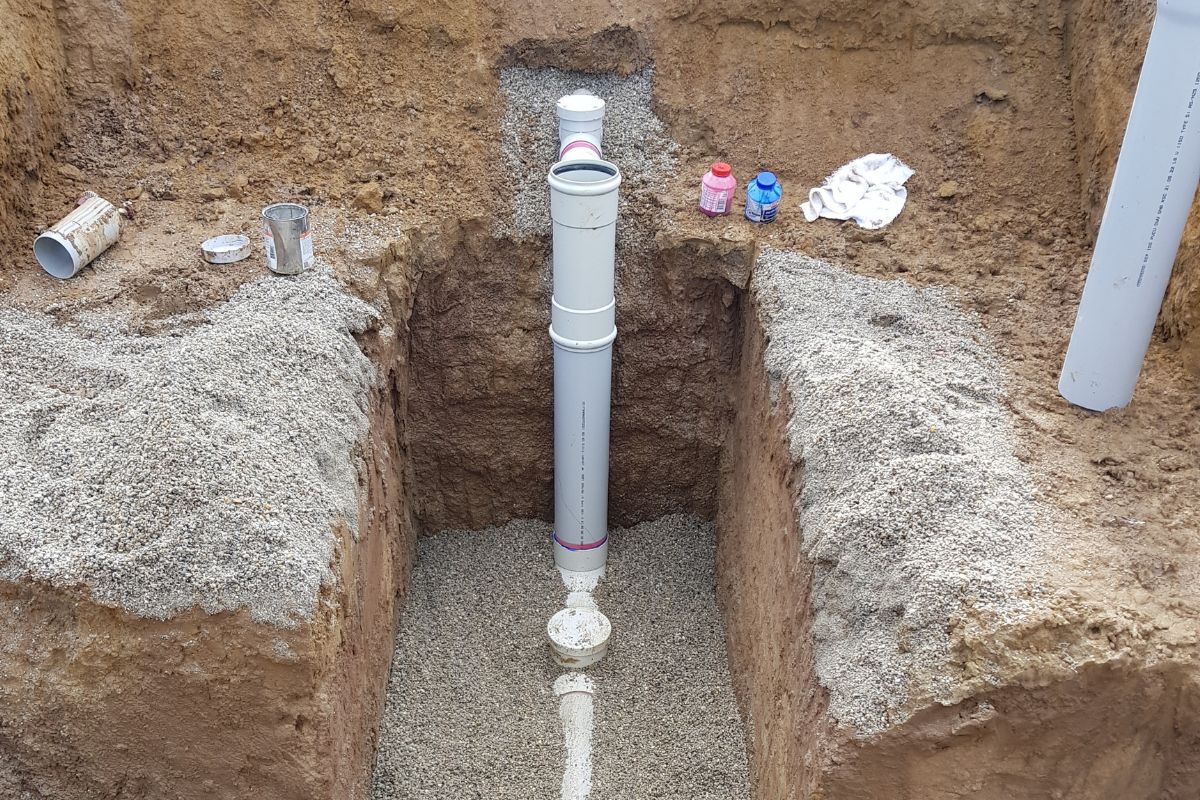
Digging down to the damaged sewer and repairing or replacing the affected section remains a common and effective method.
Excavators make this work considerably easier than the days when plumbers tackled the entire excavation with a shovel, although there are still situations where access requires work to be completed by hand.
Where the damaged section is easy to access, excavation can be a practical repair option.
The surrounding area also needs to be considered. Digging through a garden bed is very different from excavating beneath a driveway, paved area or established landscaping.
Pipe relining
Pipe relining can sometimes repair a damaged sewer from inside the existing pipe.
A liner is installed within the original pipe to create a new internal surface, reducing the amount of excavation required.
Relining can be particularly useful where access is difficult or where digging up the damaged pipe would involve significant disruption and reinstatement work.
It will not suit every damaged sewer. The existing pipe needs to be assessed first, and the cost should be compared with other repair methods before deciding how to proceed.
Who is responsible when a sewer blocks?
This depends on where the blockage or damage is located.
Homeowners are generally responsible for the private sewer drainage servicing their property, while problems within the public sewer network may fall under the relevant water or sewer authority.
In Albury, AlburyCity manages the local sewer network. In Wodonga, sewer network enquiries are handled by North East Water.
The problem is that wastewater backing up at your property does not immediately tell you which side of the system is causing it.
If you are unsure, give Fletcher Plumbing a call. We can investigate what is happening and help identify where the problem is located before you start making assumptions about who is responsible for the repair.
How can you reduce the chance of another sewer blockage?
A large part of looking after your sewer comes down to being aware of what goes into the system and responding when something changes.
Keep inappropriate materials out of toilets and drains, dispose of cooking oils and fats properly, keep sewer access points accessible and take unusual smells, gurgling or slow drainage seriously.
If you know where your sewer pipes run, keep that in mind when making changes to gardens and landscaping.
Most importantly, if the same sewer keeps blocking, find out why. Repeatedly clearing a blockage can restore the flow without addressing damage further along the pipe.
Need help with a blocked sewer or sewer repair in Albury Wodonga?
If your sewer is gurgling, smelling, draining slowly or repeatedly blocking, Fletcher Plumbing and Co can investigate the problem and work out what needs to happen next.
We can clear blocked sewers, carry out pipe inspections and assess damage to determine whether further sewer repair is required.
For general plumbing maintenance and repairs, you can book a plumber online through our website.
If sewage is backing up or you have an urgent plumbing problem, call our emergency plumbing team on 02 6057 1150.
Sewer repair FAQs
What are the signs that my sewer pipe may need repair?
Recurring blockages, gurgling drains, persistent sewer smells, slow drainage and wastewater backing up through fixtures can indicate a sewer problem. These symptoms do not necessarily mean the pipe needs replacing, so a plumber may clear the blockage and use a camera inspection to identify the cause before recommending repairs.
Can a sewer pipe be repaired without digging it up?
In some situations, yes. Pipe relining can repair certain damaged sewer pipes from inside the existing pipe, which can reduce the amount of excavation required. A camera inspection is generally needed first to assess the damage and determine whether relining is suitable for the pipe.
Who is responsible for a blocked sewer in Albury Wodonga?
Responsibility usually depends on whether the blockage is within your private sewer drainage or the public sewer network. In Albury, the public sewer network is managed by AlburyCity, while Wodonga sewer network enquiries are handled by North East Water. A licensed plumber can investigate the blockage and help determine where the problem is located.